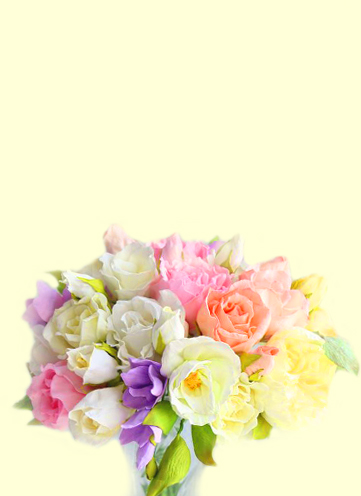
Prescription for happiness: the mood-lifting powers of flowers
Posted on 19/06/2025
Prescription for Happiness: The Mood-Lifting Powers of Flowers
In our fast-paced world, the quest for happiness often leads us down paths involving therapy, self-care rituals, and mindfulness practices. But there's an age-old "prescription" that has withstood the test of time: flowers. These colorful natural wonders are more than just ornamental; they hold proven mood-lifting powers that can significantly enhance our sense of well-being. Whether in a bouquet, a garden, or just a single bright bloom on your desk, flowers offer unique benefits for mental health. In this comprehensive guide, we will explore the uplifting power of flowers, the science behind their effects, and practical ways to incorporate their joy into your daily life.
The Science Behind the Mood-Boosting Effects of Flowers
For centuries, people have instinctively believed in the positive effects of nature, particularly flowers, on their happiness and emotional health. However, scientific research now backs up these beliefs. Flowers don't just look and smell pleasing--specific psychological, physiological, and social mechanisms foster their mood-enhancing properties.
How Flowers Influence Our Brain and Emotions
Here's how flowers work wonders on our mind and body:
- Visual stimulation: The bright colors and alluring shapes of flowers trigger the brain's reward center, releasing sunlight-mimicking hormones like dopamine and serotonin, often called "feel-good" chemicals.
- Aromatic therapy: Many flowers, such as lavender, jasmine, and rose, emit calming scents. Aromatherapy research has shown that inhaling floral fragrances can reduce stress, lower anxiety levels, and promote restful sleep.
- Connection and empathy: Receiving or caring for flowers boosts feelings of connection and nurtures empathy, leading to increased happiness and lower feelings of loneliness or isolation.
- Mindfulness: Arranging or tending to flowers encourages present-moment awareness, which research links to improved mental clarity and overall happiness.
Historical Perspectives on the Mood-Lifting Power of Flowers
The therapeutic potential of flowers has roots in ancient civilizations. Throughout history, cultures worldwide have intertwined flowers with healing and celebration, underlining their timeless impact on well-being.
Ancient Rituals and Modern Medicine
- Egyptians: Used flowers such as lotus and papyrus in rituals to promote inner peace.
- Chinese medicine: Prescribed floral teas and herbal infusions as tonics for emotional balance.
- Victorian England: Flower-giving evolved into a language of its own (floriography)--conveying messages of goodwill and love.
- Modern hospitals: Studies show patients in rooms adorned with flowers heal faster and report improved moods.
From ancient temples to today's hospital wards, the uplifting power of flowers remains a constant prescription for happiness.
The Psychological Benefits of Flowers: What Research Reveals
A growing number of studies highlight the profound effects of flowers on human psychology and mood. Below are some key findings:
Stress Reduction and Improved Wellbeing
- Immediate mood boost: A landmark study from Rutgers University discovered that individuals who received flowers reported increased happiness and positivity for days afterward, compared to those who received other gifts.
- Decreased anxiety: Research from Harvard indicates that people exposed to flowers in their living spaces experience less worry and stress.
- Greater life satisfaction: Regular exposure to plants and flowers, such as in community gardens, correlates with higher self-rated life satisfaction and reduced depression.
How Flower Types Influence Mood
- Roses: Symbolize love and gratitude; their scent offers calming, anti-anxiety benefits.
- Sunflowers: Their bright yellow petals evoke optimism and joy, reminiscent of sunshine.
- Lavender: Proven to alleviate stress and promote restful sleep, leading to improved mood.
- Daisies & Gerberas: Their simplicity and cheerfulness help uplift spirits and encourage positivity.
The Biology of Bloom: Why Flowers Affect Our Emotions
Why do we instinctively smile at flowers? Experts suggest that humans are biologically wired to seek vibrancy. In ancient environments, colorful plants signaled abundance, safety, and food--triggering our brains to associate flowers with positive experiences.
- Color psychology: Different flower colors evoke specific moods. For example, blue and purple flowers are calming; red and orange blooms stir excitement and energy.
- Natural connection: Being near plants or flowers taps into our innate "biophilia"--the instinct to connect with nature for emotional nourishment.
- Pattern recognition: Petal coatings and leaf shapes create pleasing and harmonious aesthetics, stimulating the pleasure centers in our brains.
Floral Scents and Emotional Well-Being
Fragrance is just as important as the vibrant colors of blooms. Aromatic compounds in flowers are potent mood enhancers:
- Jasmine: Triggers the brain's gamma-aminobutyric acid (GABA) receptors, reducing anxiety.
- Rosemary blossom: Boosts mental alertness and memory retention.
- Gardenia: Eases agitation and improves sleep quality.
The simple act of taking in a flower's fragrance can trigger deep relaxation and a sense of contentment.
Flowers at Home: Creating a Happy Sanctuary
You don't need an extensive garden or a luxury bouquet to benefit from floral happiness. Integrating blooms into your everyday living space can be transformative. Here are a few tips for maximizing the mood-lifting effects of flowers at home:
Ideas for Bringing Flowers into Daily Life
- Tabletop bouquets: Place a vase of fresh flowers on your dining or coffee table--it immediately uplifts the mood of the entire room.
- Floral arrangements by windows: Let natural light accentuate the colors and refresh your mood with every glance.
- Bedroom blooms: Certain flowers like lavender and peonies can enhance relaxation and create a peaceful sleeping environment.
- DIY flower wall: Attach small mason jars to your wall, filling them with seasonal flowers for a creative, *mood-boosting* display.
- Work desk arrangement: A single bright flower in a bud vase on your desk can encourage focus and positivity.
Choosing the Right Flowers for Maximum Happiness
- Personal favorites: Select flowers that have sentimental or nostalgic meaning for you--they'll provide even greater joy.
- Seasonal selections: Choosing in-season blooms means fresher flowers, brighter colors, and sometimes more intense scents.
- Mixing colors and types: A varied bouquet offers more visual stimulation, increasing the mood-enhancing effect.
Gardening: Nature's Therapy for the Mind and Soul
Growing your own flowers amplifies their benefits. Garden therapy, sometimes known as horticultural therapy, is an evidence-backed practice for improving mental health. Tending to plants and observing their growth connects you intimately to the cycles of nature--an experience linked to lower stress levels, reduced depression, and increased self-esteem.
The Therapeutic Benefits of Flower Gardening
- Physical activity: Gardening engages the body and mind, releasing endorphins (natural feel-good hormones) during movement.
- Sensory stimulation: Touching petals, smelling blooms, and seeing their vibrant colors stimulates all the senses, resulting in a holistic wellness experience.
- Mindful presence: Planting, weeding, and watering flowers foster a meditative, present-focused state that soothes anxiety and promotes happiness.
- Sense of accomplishment: Watching flowers bloom creates a natural sense of pride--an important ingredient in lasting happiness.
Flowers and Social Connection: Sharing Happiness
The act of giving flowers is a universal language of care and appreciation. Research shows that gifting flowers can strengthen relationships and boost both the giver's and receiver's happiness levels.
Why Flower Gifting Boosts Mood
- Unexpected delight: Surprising someone with flowers leads to genuine smiles and expressions of joy, according to multiple psychological studies.
- Symbol of thoughtfulness: Flowers convey empathy, love, gratitude, or support--key drivers of human connection and shared happiness.
- Creating lasting memories: The positive effects of being gifted flowers linger in our minds, creating feel-good memories that revive happiness each time we recall them.
Ideas for Sharing Happiness with Flowers
- Send a "just because" bouquet to brighten a friend's day.
- Bring wildflowers to a family dinner as a spontaneous gesture.
- Participate in flower-sharing days in your community.
- Share homegrown blooms with neighbors and coworkers.
Flowers for All Seasons: Year-Round Mood Boosts
Don't let weather or climate limit your access to flower-powered happiness. There are ways to enjoy the mood-lifting benefits of flowers year-round:
- Winter bulbs: Grow paperwhites or amaryllis indoors during cold months to keep spirits bright.
- Dried flower arrangements: Their subtle colors and rustic look continue to offer beauty and serenity well after fresh blooms are gone.
- Flower art and prints: Even paintings and photographs of flowers have a positive psychological impact.
- Floral teas: Sip chamomile, lavender, hibiscus, or rose petal tea for a fragrant mood booster any time of year.
Virtual Blooms: Digital Flowers and Mood
Even digital interactions with flowers, such as phone wallpapers or cheerful emails with floral graphics, deliver a small but measurable increase in positivity according to emerging research in digital well-being.
Tips for Harnessing the Mood-Boosting Power of Flowers
- Start small: Pick up a single stem from the market or snip a bloom from your garden.
- Make it a habit: Choose a weekly "flower day" to refresh your space.
- Engage all senses: Notice the texture, color, scent, and even sound (buzzing bees!) of blooms around you.
- Share with others: Cultivate happiness by passing along a flower or two to someone who needs a lift.
- Be mindful: Take a moment to pause, breathe, and truly appreciate your blooms. A mindful gaze can be as transformative as physical touch or smell.
Conclusion: Say Yes to Nature's Prescription for Happiness
As mental health challenges grow more common, the importance of simple pleasures like flowers cannot be overstated. From ancient rituals to modern medicine, the mood-lifting powers of flowers offer an accessible, joyful, and lasting prescription for happiness. Whether you grow them yourself, arrange them in your home, gift them to loved ones, or simply admire them in nature, flowers provide a powerful, science-backed way to improve life's quality--one petal at a time. So why not fill your life and the lives of those you care about with the vibrant, mood-enhancing gift of flowers--nature's true prescription for happiness?
Experience happiness today--the flower way!