Enhance your flower's longevity with these 3 simple strategies
Posted on 22/08/2025
Enhance Your Flower's Longevity with These 3 Simple Strategies
Bringing beautiful blooms into your home instantly lifts your mood, brightens every space, and connects you with nature's wonders. However, keeping these stunning floral arrangements fresh and vibrant for as long as possible can be a challenge. If you're eager to maximize your flowers' lifespan and enjoy their beauty for days--or even weeks--on end, you're in the right place.
This comprehensive guide explores three scientifically backed, effective methods to extend the life of your flowers so you can relish their charm and fragrance for longer. By understanding a few simple principles and making minor adjustments to your flower care routine, you will notice a significant improvement in your flower displays' vitality and freshness.
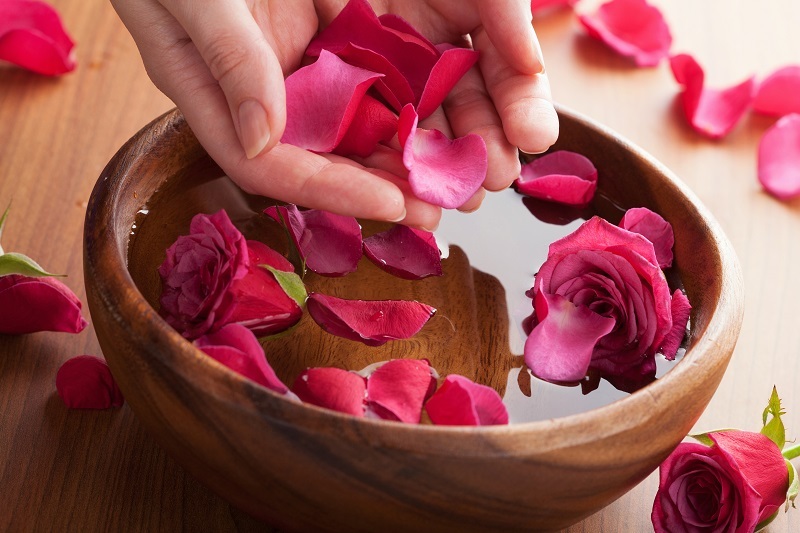
Why Does Flower Longevity Matter?
Enhancing floral longevity isn't just about aesthetics--it's also about getting better value for your money and reducing waste. With fresh-cut flowers often being a costly investment, making them last longer is both practical and rewarding. Additionally, prolonging the life of your flowers amplifies the joy they bring to households, workplaces, and events.
1. Master the Art of Proper Flower Preparation
The Importance of Clean Tools and Water
Many flower lovers overlook the critical role of preparation. Before arranging your flowers, it's essential to:
- Use clean, sharp scissors or pruning shears to avoid crushing delicate stems. Dirty or dull tools can harbor bacteria or damage stems, making it harder for flowers to absorb water.
- Sanitize your vase with hot, soapy water and rinse well. Residual bacteria in the vessel can quickly shorten flower life.
By starting with clean tools and containers, you minimize the risk of bacterial growth--a major cause of premature flower wilting.
Cut Stems at an Angle
When you receive fresh flowers, always trim the stems before placing them in water. Here's how to do it right:
- Cut stems at a 45-degree angle to increase the surface area for water absorption. Flat cuts can make stems sit flush with the vase bottom, limiting water uptake.
- Remove any leaves below the water line. Submerged leaves promote bacteria that can clog stems and shorten your flowers' lives.
Tip: For woody stems (like roses or lilacs), consider splitting the stem or gently crushing the bottom inch to aid water absorption.
Use Fresh, Cool Water
Always fill your vase with fresh, cool water. Avoid using warm or hot water, which can accelerate decay. Refresh the water every one to two days, each time re-trimming the stems for optimal hydration.
2. Feed Your Flowers the Right Way
The Power of Flower Food
Most professional florists provide a handy packet of flower food with their bouquets. This isn't just a marketing gimmick!
- Commercial flower food contains a blend of sugars (for energy), acidifiers (to balance pH), and biocides (to limit bacterial growth).
- Follow the package instructions for mixing with water--too much or too little can both have negative effects.
If you run out of commercial flower food, you can create a DIY version:
- Mix 1 tablespoon sugar, 1 tablespoon white vinegar, and 1 quart of water.
- The sugar nourishes the stems, while vinegar inhibits bacteria.
Change the Water Regularly
Stagnant water is a breeding ground for bacteria that block stems from drawing water. To extend your flower arrangement's life:
- Change the water at least every other day.
- Clean the vase before refilling, and add fresh flower food or your homemade mix.
- Retrim the stems slightly each time to open up fresh water-conducting tissue.
3. Control Environmental Factors to Prolong Freshness
Location, Location, Location
The placement of your bouquet significantly affects how long your flowers will stay fresh. Here are key tips to consider:
- Keep flowers in a cool spot, away from direct sunlight and heat sources. Excessive warmth causes flowers to wilt and petals to drop prematurely.
- Keep flowers away from cold drafts (like window ledges in winter), which can shock sensitive blooms.
- Avoid placing flowers near ripening fruit--fruit emits ethylene gas, which hastens the aging process of flowers.
Did you know? Even a bowl of bananas or apples can emit enough ethylene to shorten your flower bouquet's lifespan dramatically!
Moderate Humidity Is Best
Most flowers prefer a moderately humid environment. If your home is very dry, consider misting the blooms lightly with water (but avoid wetting the foliage or petals excessively, which can cause fungal growth).
Remove Wilting Flowers Promptly
As blooms naturally age and wilt, remove dying flowers from the arrangement immediately. Decaying plant material releases harmful substances that can hasten the decline of other flowers nearby.
Additional Flower-Care Secrets for Exceptional Longevity
- Choose long-lasting flower varieties such as carnations, alstroemeria, chrysanthemums, or orchids. These species are renowned for their extended vase life compared to delicate flowers like tulips or poppies.
- Avoid overcrowding the vase. Too many stems can restrict airflow and promote rot. Give tissues space to breathe!
- Handle gently. Always support the stems and heads to avoid bruising, which can introduce decay.
Popular Myths: Debunked
- Adding aspirin or pennies is often touted as a flower preserver, but there's little scientific evidence these methods are effective. Stick to proven flower food instead!
- Bleach in the water (a drop or two) can reduce bacteria but is not as effective as proper cleaning and maintenance. Too much bleach can harm your flowers.
Summary: Prolong Fresh Flowers with Ease
By following these three simple strategies to maximize flower longevity, you can transform your fresh-cut bouquets into vibrant, long-lasting displays. To recap, the key steps are:
- Prepare and trim your flowers properly with clean tools and vases.
- Nourish and hydrate your flowers with commercially prepared or homemade flower food, and refresh the water regularly.
- Control the environment--shield your bouquets from heat, drafts, and ethylene gas, and remove wilted blooms promptly.
Flowers add beauty and meaning to our lives. With these actionable tips and a few minutes of care each day, you'll enjoy fresh flowers for longer than ever before. Share these strategies with fellow flower enthusiasts and watch everyone's arrangements blossom with long-lasting brilliance.

Frequently Asked Questions: Enhance Your Flower's Longevity
How can I tell if my water needs changing?
If the water appears cloudy or begins to smell, it's time to change it. Clear, clean water is essential for flower longevity.
Is it okay to refrigerate flowers overnight?
Yes, refrigerating flowers at night (if space allows) can slow down the wilting process, especially for heat-sensitive blooms.
Should I remove pollen from lilies or other flowers?
Yes! Removing pollen-laden stamens from lilies prevents staining and can help prolong bloom life since less energy is directed to seed production.
What's the best way to freshen drooping flowers?
Try re-cutting the stems under water, and immerse them fully in cool water for 30-60 minutes. Often, this "resets" the hydration process.
Conclusion: Make Your Blooms Last
Armed with these proven flower-care strategies, you have everything you need to enhance your flowers' longevity and create breathtaking, long-lasting arrangements. Whether you're pampering a luxurious bouquet or a handful of garden-fresh stems, these small adjustments make a world of difference. Happy arranging!
Latest Posts
Enchanting Flowers to Celebrate Birthday Moments
Enhance your flower's longevity with these 3 simple strategies
Orchid Care Techniques for Vibrant Blooms