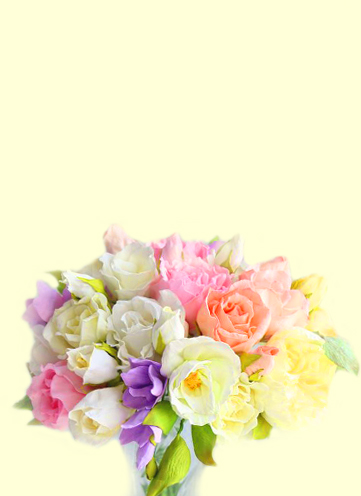
How birth month flowers embody cultural meanings
Posted on 03/06/2025
How Birth Month Flowers Embody Cultural Meanings
Birth month flowers hold a unique place in our lives, intertwining nature, tradition, and personal significance. Whether gifting a birth flower bouquet to loved ones or exploring your own birth flower, these blossoms express more than just beauty -- they embody values, aspirations, and the cultural spirit of generations. In this article, we'll uncover why birth month flowers stand as powerful cultural symbols and how their meanings enrich lives across the globe.

Understanding the Concept of Birth Month Flowers
Birth month flowers are flowers assigned to each month of the year, much like birthstones. Each flower is associated with distinct meanings, characteristics, and symbolic messages. In many cultures, these flowers are used to celebrate birthdays, milestones, or as thoughtful personalized gifts. But how did this tradition originate, and what gives these blooms their special power?
The Origins of Birth Flowers
- Ancient Roman roots: The practice of associating flowers with months dates back to Roman times, when it was common to give flowers as offerings for birthdays or special occasions.
- Western expansion: Over centuries, the tradition evolved, with the Victorians in particular developing the language of flowers (floriography) to communicate messages and emotions.
- Modern recognition: By the 20th century, Western culture had largely standardized the list of birth month flowers, making them widely recognized in greeting cards, jewelry, and floral gifts.
Today, each birth month flower carries symbolic significance that reflects not just the characteristics of the month but also the cultural values, traditions, and even hopes for those born during that period.
The List of Birth Month Flowers and Their Cultural Meanings
Different cultures may assign varying flowers to each month, but the following are the most commonly recognized birth month flowers in Western traditions, along with their deep meanings.
January: Carnation & Snowdrop
- Carnation: Represents love, fascination, and distinction.
- Snowdrop: Symbolizes hope and rebirth, as it often blooms in the bleak midwinter.
Significance: In cultures that celebrate the New Year, these blooms capture the spirit of renewal, hope, and distinction. In biblical references, carnation is linked to motherly love.
February: Violet & Primrose
- Violet: Embodies loyalty, humility, and faithfulness.
- Primrose: Signifies young love and the promise of new beginnings.
Significance: February, often associated with Valentine's Day, aligns perfectly with flowers that symbolize love, sincerity, and deeper bonds.
March: Daffodil
- Daffodil: Represents rebirth, renewal, and unrequited love.
Significance: Daffodils herald spring and are prominent in Welsh culture, where they're worn on St. David's Day. Their vibrant yellow also represents optimism and hope.
April: Daisy & Sweet Pea
- Daisy: Symbolizes innocence and purity.
- Sweet Pea: Stands for blissful pleasure and gratitude.
Significance: Daisies are common in childhood stories, reflective of youth and simplicity, while sweet peas are given as a thank you for positive experiences.
May: Lily of the Valley & Hawthorn
- Lily of the Valley: Denotes sweetness, humility, and renewed happiness.
- Hawthorn: Reflects hope and supreme happiness.
Significance: In many European wedding traditions, lily of the valley is used in bouquets for its lucky charm. Maypole celebrations often feature hawthorn, emphasizing growth and hope.
June: Rose & Honeysuckle
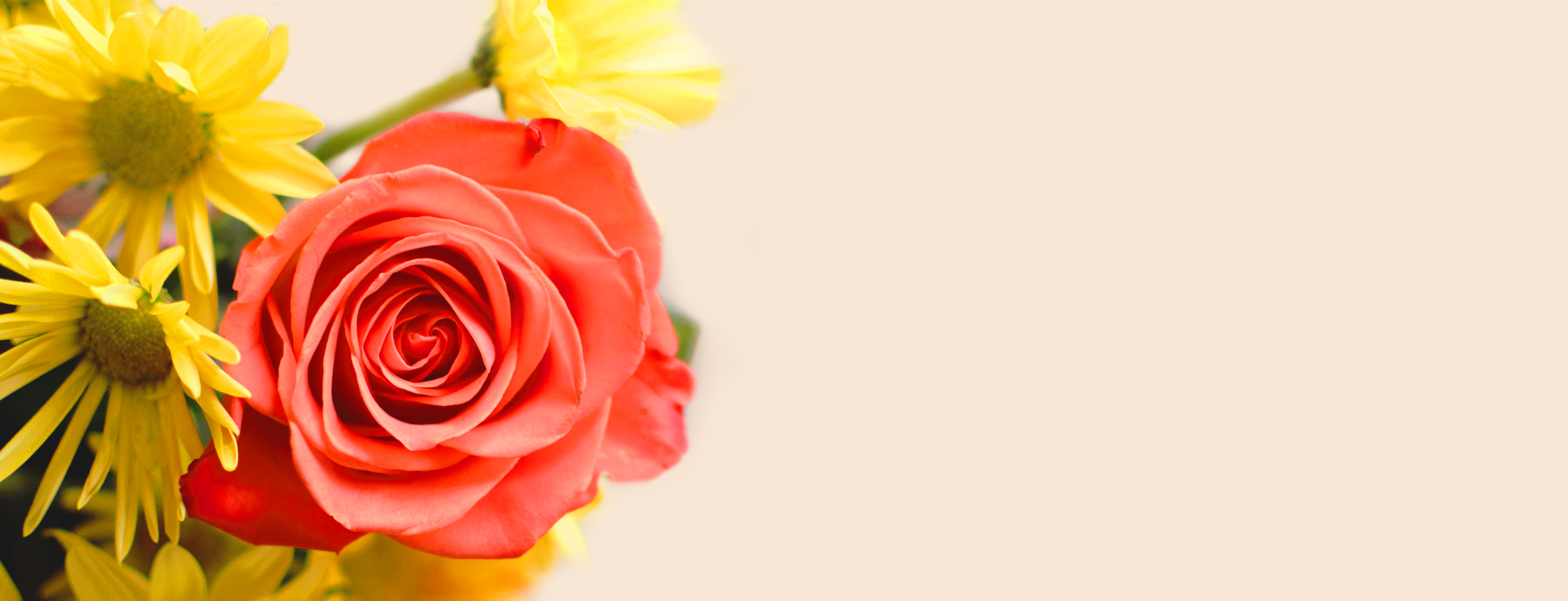
- Rose: Universally signifies love, passion, and beauty.
- Honeysuckle: Symbolizes devoted affection and lasting bonds.
Significance: No other birth flower embodies romance as deeply as the rose. Its colors convey different intents: red for love, white for innocence, and yellow for friendship.
July: Larkspur & Water Lily
- Larkspur: Represents lightness and levity.
- Water Lily: Symbolizes enlightenment and elegance.
Significance: Larkspur's spike-like appearance has long been associated with positivity and cheer, while water lilies have deep roots in Eastern spirituality, denoting purity.
August: Gladiolus & Poppy
- Gladiolus: Stands for strength, integrity, and remembrance.
- Poppy: Reminds of consolation, imagination, and peace.
Significance: The gladiolus, named after the Latin "gladius" (sword), echoes the Roman ideals of honor and victory, while poppies are worn for remembrance globally.
September: Aster & Morning Glory
- Aster: Represents wisdom and valor.
- Morning Glory: Symbolizes affection and undying love.
Significance: Asters have been used in ancient rituals for love and patience, while morning glories are admired for their fleeting yet captivating beauty.
October: Marigold & Cosmos
- Marigold: Symbolizes passion, creativity, and warmth.
- Cosmos: Represents order, peace, and modesty.
Significance: Marigolds are integral to the Day of the Dead celebrations in Mexico, believed to guide the spirits, while cosmos are gifted for their gentle beauty.
November: Chrysanthemum
- Chrysanthemum: Embodies joy, longevity, and loyalty.
Significance: Highly revered in Japan, chrysanthemums are the symbol of the emperor and the imperial family, representing rejuvenation and resilience.
December: Narcissus & Holly
- Narcissus: Denotes good wishes, hope, and respect.
- Holly: Symbolizes protection and domestic happiness.
Significance: As a winter flower, holly's evergreen leaves and red berries are associated with Christmas, embodying hope and family warmth.
How Birth Month Flowers Reflect Culture and Identity
While the birth flower tradition is associated predominantly with Western culture, similar practices and symbolic systems flourish worldwide. The meanings assigned to each monthly flower often intertwine with local customs, folklore, and the changing seasons.
Birth Month Flowers in Asia
Chrysanthemums are particularly significant in Asia, symbolizing longevity in China and being the floral emblem of Japan. Likewise, lotus flowers (often linked to July or August in the East) carry profound spiritual associations in Hindu, Buddhist, and ancient Egyptian myths, representing purity and enlightenment.
The Language of Flowers Across Cultures
- Victorian floriography: During the 19th century, flower symbolism became a coded language of courtship and sentiment, where sending a rose or a daffodil carried a specific message based on the color and variety.
- Native American traditions: Certain flowers such as sunflowers are revered for their loyalty and spiritual guidance, while others are integrated into healing rituals.
- Latin American festivals: Marigolds play a starring role in Dia de Muertos (Day of the Dead), while other birth flowers are woven into ceremonies marking birth, marriage, and remembrance.
Birth Flowers as Tokens of Celebration & Memory
In many societies, the presentation of a birth month flower on birthdays, anniversaries, or funerals isn't just an aesthetic gesture. It's a way of connecting the recipient to cultural history, the cycles of nature, and the enduring symbolism rooted in their own identity.
Modern Day Relevance: Gifting and Personal Connection
Today, the appeal of birth month flowers endures for a variety of reasons. Floral gifts customized to someone's birth month feel intimate and thoughtful, adding an extra layer of meaning to the gesture. Many people also choose to incorporate their birth flower into tattoos, home decor, jewelry, or garden design as personal emblems of traits they value or wish to embody.
Customizing Gifts Based on Birth Flower Meanings
- Bouquets: A bouquet tailored to a birthday or anniversary with birth month flowers is both personalized and symbolic.
- Jewelry: Necklaces, earrings, or charms inspired by birth flowers allow wearers to keep their symbolism close to their heart.
- Artwork and tattoos: Personalized art or tattoos featuring a birth flower can mark a special milestone or serve as a constant reminder of one's character and journey.
Why Understanding Birth Month Flower Meanings Is Important
- Deepens cultural appreciation: Recognizing the history and richness behind each monthly flower fosters connectedness to heritage and communal identity.
- Enhances relationships: Gifting or referencing someone's birth flower communicates attention to their individuality and story.
- Promotes mindfulness: Choosing to surround ourselves or loved ones with meaningful flowers transforms ordinary spaces and occasions into profound statements about life's cycles and our place within them.
Birth Month Flowers Around the World: Unique Customs and Interpretations
Although the traditional Western list of birth flowers is widely used, other regions have their own unique systems and interpretations regarding flower symbolism:
Japan: The "Hanakotoba" System
Hanakotoba, the Japanese language of flowers, assigns nuanced meanings to flowers regardless of month. Still, cherry blossoms (sakura) in April are so deeply associated with spring and new beginnings that they are almost surrogate birth flowers for that season.
India: Lunar and Solar Festivals
In India, flowers such as lotuses, marigolds, and jasmine feature in religious rites according to the lunar calendar. While not tied strictly to birth months, these flowers signify purity, auspiciousness, and serenity.
Middle Eastern Traditions
In Persian culture, hyacinth (*sonbol*) heralds Nowruz (the Persian New Year in March), emphasizing renewal and vitality -- functions similar to March birth flowers in other traditions.
Choosing and Caring For Your Birth Month Flower
Integrating your birth flower into your lifestyle can be rewarding, symbolic, and therapeutic. Here's how you can foster a deeper connection:
- Grow your birth flower: Many birth month flowers are garden-friendly and relatively easy to cultivate. Planting them can be a meditative way to honor your roots and aspirations.
- Floral displays at home: Decorating your living space with arrangements of your birth flower instills a sense of personal sanctuary.
- Research care guidelines: Different flowers have unique sunlight, soil, and watering needs. Educating yourself deepens your appreciation and ensures lasting enjoyment.

Frequently Asked Questions About Birth Month Flowers
Are there alternative flowers for each birth month?
Yes! While the lists above reflect the most common assignments in Western culture, many countries have local variations based on climate, flower availability, and traditional folklore.
Can two people with the same birth month have different flowers?
Absolutely. Some months (such as January, April, and June) have multiple birth flowers. Often, the choice may be guided by personal preference or local custom.
Are birth month flowers suitable for all occasions?
While often used for birthdays, these flowers are also popular for anniversaries, weddings, and memorials -- anywhere a deeper layer of symbolism is appreciated.
Conclusion: The Enduring Resonance of Birth Month Flowers
The tradition of birth month flowers weaves a rich tapestry of cultural meaning, human emotion, and seasonal beauty. Whether given as gifts or embraced as personal emblems, birth flowers bridge generations and continents. By understanding their stories and honoring their symbolic power, we infuse our celebrations, memories, and connections with fresh life -- much as flowers themselves have done throughout history.
Next time you celebrate a birthday or seek to express heartfelt feelings without words, consider the subtle language of birth month flowers -- and discover the enduring wisdom and beauty they bring to our lives.
Latest Posts
Enchanting Flowers to Celebrate Birthday Moments
Enhance your flower's longevity with these 3 simple strategies
Orchid Care Techniques for Vibrant Blooms